Invoice management: How finance teams can reduce costs, risk, and cycle times
Invoice management is the process finance teams use to capture, validate, approve, and pay supplier invoices. It plays a critical role in modern accounts payable and financial operations.

Invoice management in accounts payable
Invoice management is the end-to-end process of receiving, processing, validating, approving, and paying invoices within accounts payable (AP). It is a core part of the invoice lifecycle and a critical component of procure-to-pay (P2P) and financial operations. For growing organizations, effective invoice management is essential to controlling spend, ensuring compliance, and scaling AP operations.
Traditional invoice processing is often manual, slow, and error prone. Modern invoice management solutions use automation, AI, and e-invoicing to streamline invoice processing and optimize accounts payable workflows across the invoice lifecycle.
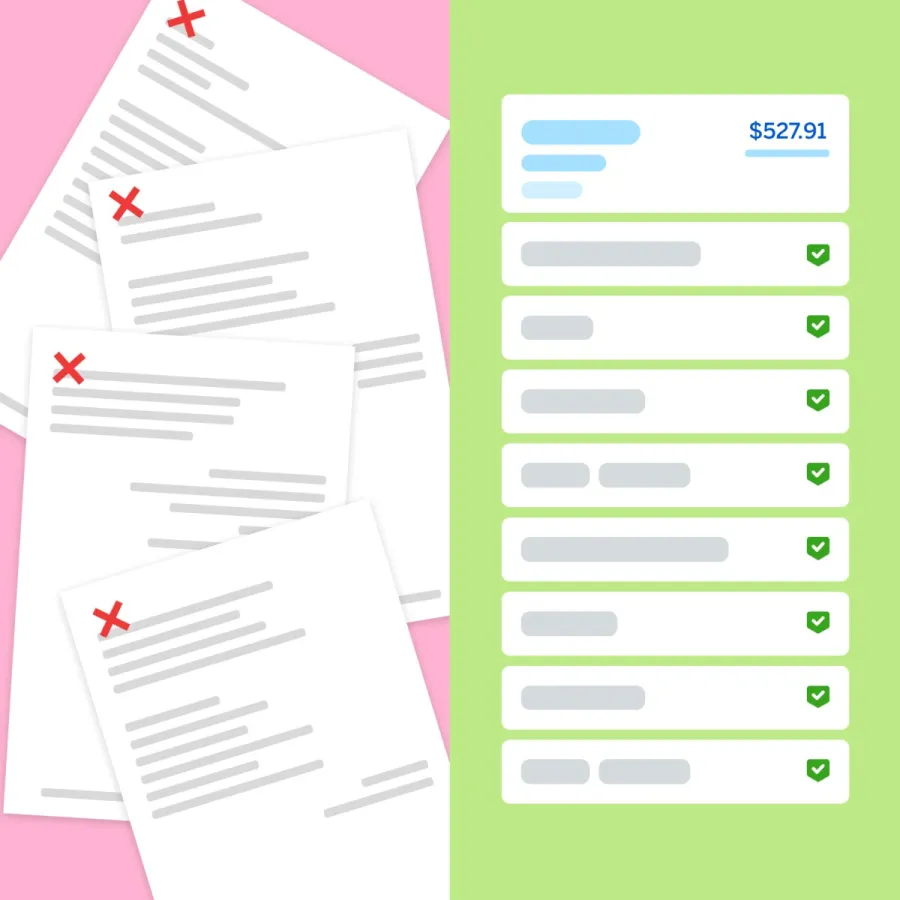
The importance of invoice management automation
Good invoice management is essential for improving accounts payable efficiency and reducing operational risk across AP workflows. Without automated invoice processing, organizations face many avoidable challenges.




Steps in the invoice management process
The invoice management process follows a structured workflow designed to ensure accuracy, compliance, and timely payment. Modern invoice management software automates each step in this process to improve efficiency and control.






Key invoice management terms
Understanding common invoice management terms helps finance teams evaluate solutions and improve AP processes.
Best practices for good AP management
Following invoice management best practices helps organizations optimize accounts payable workflows, improve efficiency across the invoice lifecycle, and strengthen financial operations.






Additional invoice management resources
See invoice management in action
Explore how modern invoice management solutions help organizations streamline accounts payable workflows, optimize the invoice lifecycle, and improve financial operations.